

Caribbean Stud Poker Rules for Smart Australian Play
If you have sat through a Saturday queue at a Bunnings sausage for example sizzle, you already understand patience better than most card players. Caribbean stud poker rewards that same discipline, but only when you know the rules for caribbean stud poker before you sit down. At Aus Casino, the lobby keeps table games separate from the slots, so finding this five-card draw variant takes seconds rather than a hunt through a packed Melbourne tram of icons. The house edge sits around 5.22 per cent on the ante alone, which is why the fold-or-raise decision matters more than any luck toss. I have watched VIP regulars blow through bankrolls on impulse raises at poker rooms across Queensland, and the pattern repeats online when players skip the basic maths. For a clearer run-through of hand rankings and betting rounds, our neighbour piece on poker rules explained for confident casino play covers the fundamentals in plain English. You can also test timing on a free spin before committing any real balance.
How the Hand Rankings and Betting Rounds Actually Work
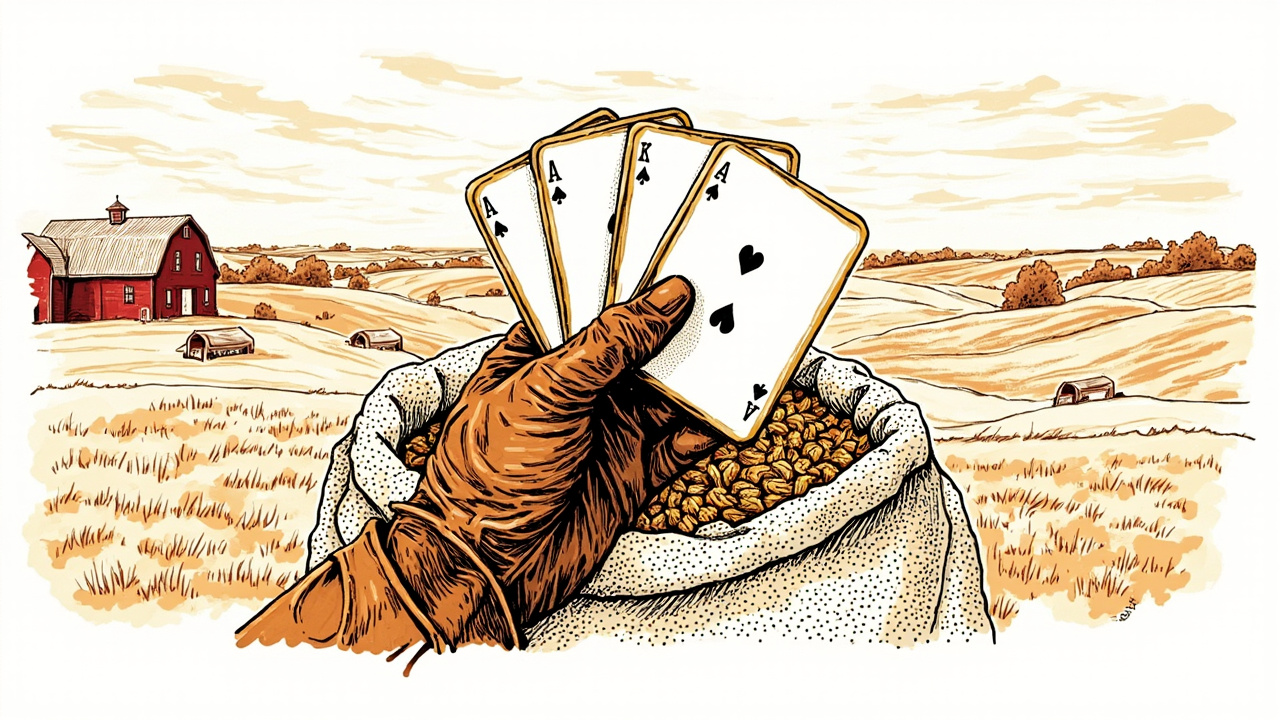
The deal starts with five cards face down for you and one face up for the dealer, which is where most new players misjudge their position. You then choose between folding and losing the ante, or raising by double the ante amount and staying in the hand. The dealer must hold at least an ace and a king to qualify, and if they do not, you win even money on the ante while the raise pushes. That qualification rule is the hinge everything else swings on, and it is why a pair of queens can still pay out when the house fails to make the cut. Payouts on the raise scale with your hand strength, starting at even money for a pair and climbing to one hundred to one for a flush or better. I have managed live poker floors where the dealer qualification rule was printed on the felt, and the same clarity should show up in any honest lobby description. The game uses a standard fifty-two-card deck with no jokers, so the odds stay fixed and the maths stays readable. If you want a broader look at how table rules compare across variants, you can check the mechanics on the chicken road 2 game before you commit any deposit. The key is treating every raise as a priced decision rather than a gut feeling.
What to Weigh Before You Put Money In
Smart play starts with the question of how much of your session bankroll you are willing to expose on a single raise, not with chasing a lucky flop. At Aus Casino, the table limits run from a one-dollar minimum ante up to a fifty-dollar cap, which suits both cautious starters and players who prefer a measured stake. The loyalty programme tracks table play separately from slots, so consistent hands at this table feed into your tier progress without diluting your slot credits. Ruby O’Brien, Head of Live Casino, Harbour Bet Insights, notes that players who set a hard raise limit before the first deal tend to keep their sessions profitable longer than those who chase losses after a bad beat. Registration takes a few minutes with standard ID checks, and the platform supports Australian dollars so you are not losing a slice to currency conversion on every wager. Support is reachable through live chat during peak arvo hours, and the response time on table-game queries is usually under two minutes. Mobile play mirrors the desktop layout, so the raise button and hand history sit where you expect them without any sideways scrolling. The real decision is whether the fixed house edge suits your style better than a skill-based table where your choices shift the odds more aggressively.chicken road 2 game

Reading the Dealer Qualification and Managing Your Stake
The dealer qualification rule is the single biggest factor in how this game feels over a long session, because it turns half your raises into even-money pushes when the house fails to qualify. When the dealer shows an ace and a king or better, your raise pays out according to the standard payout table, and your ante wins at even money if your hand beats the dealer’s. When the dealer misses that threshold, your ante wins outright while the raise returns as a push, which is why a weak hand can still return your original stake. I have seen affiliate campaigns promise “near-guaranteed returns” on this variant, and that language is misleading because the qualification rule only softens losses rather than removing the house edge. Payment processing for withdrawals runs through the same channels as deposits, with most Australian players seeing funds land within twenty-four hours for verified accounts. The search bar in the lobby filters by provider and game type, so you can isolate Caribbean stud from other table titles without scrolling through a cluttered grid. If you are weighing whether this table fits your session plan, the consistent edge and fixed payouts make it easier to model than a progressive side bet that swallows variance. Treat the ante as your entry fee and the raise as your priced bet, and the game becomes a readable exercise rather than a guess.
- Ante – the initial bet placed before cards are dealt, lost if you fold.Poker rules explained for confident casino
- Raise – the second bet, double the ante, made when you stay in the hand.
- Dealer qualification – the requirement that the dealer holds at least an ace and a king to pay the raise.
- Push – a return of your raise stake when the dealer fails to qualify, while the ante still wins.
- House edge – the built-in mathematical advantage the casino holds over the player across many hands.
Comentarios recientes